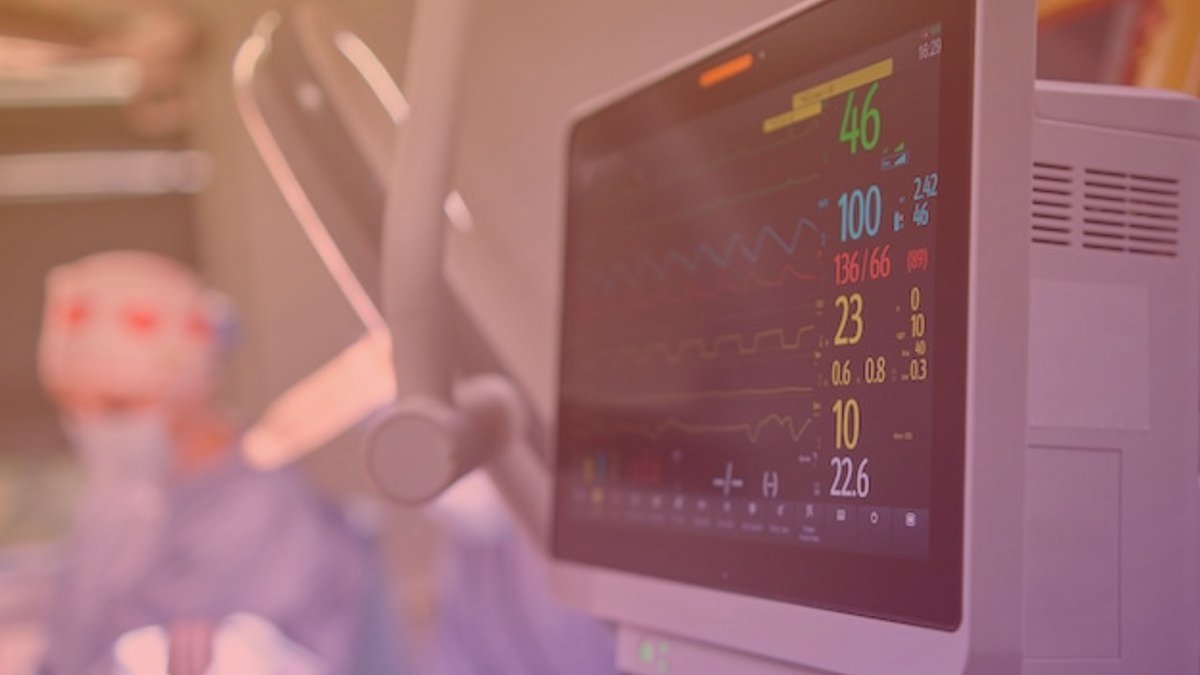
Making the Most of Your Year in the ICU
Sachi, CRNA
CRNA
In This Article (4 sections)
Making the most of your year in the ICU is all about using every shift, every code, every sticky note on your badge reel to prep for CRNA school. It’s not just resume padding. It’s where you get your real edge. No ICU? Some programs literally won’t even read your app. Brutal, but true.
What Actually Matters: Patho & Pharm?
3am in the break room. Cold pizza. Your eyeballs feel like sandpaper and you’re trying to remember the difference between nephrotic and nephritic (still not sure, honestly). So what do you focus on? Pathophysiology and pharmacology. 1000%.
Flip your brain back to “student mode.” Seriously. Don’t just memorize that your patient’s getting Heparin. Know why. Know what’s happening in the body. Like, why are you titrating that drip at 2 in the morning? Why is that ventilator alarming? If renal failure is on your assignment, understand what’s getting wrecked system by system. (We’ve all panicked googling CRRT at 4am.)
Same goes for drugs. Epinephrine vs phenylephrine? Don’t just shrug and go with “that’s what the doc wants.” Know what receptors, what side effects, what weird things happen if your patient’s also acidotic. Because interview panels loooove this stuff.
Want to really nerd out? Listen to Ep 16: "What is the BEST type of experience for CRNA school?" (Spotify) and binge our Learning Library lessons: Preferred ICU Experience PART I, PART II, and Hemodynamics. Get a free trial if you’re not sure (trust us, worth it for the diagrams alone).
How to Grab Leadership (Without Faking It)
Leadership can sound kind of intimidating. Like, are you supposed to run a code solo day 1? Nope. But you DO want stuff on your app that shows you did more than just survive your shifts.
What works? Messy list incoming:
- Join Clinical Practice Council – sit through the meetings, offer to take notes, whatever
- Volunteer for literally any committee (unit morale, disaster prep, potluck queen. counts)
- Ask about local AACN or professional orgs – sometimes it’s just one email and you’re “in”
- Research experience (no, you don’t have to discover penicillin, but collect some data or shadow a project if possible)
- Precept students or new hires
The CRNA Club is obsessed with this stuff because it shows you care. And honestly? You’ll need this mindset when you hit your DNP research project. Promise. Need more ideas? Try Ep 22: "Things you MUST do while you're getting ICU experience" (Spotify).
Don’t Lose the Plot: Start With the End in Mind
Let’s be real. CRNA school isn’t just “get ICU job, apply, done.” There’s a ton of boxes to check. (We have an entire CRNA School Requirements page for a reason.)
The year flies by. You blink and suddenly you’ve got days to take the CCRN, update your resume, schedule a shadow day, and maybe squeeze in a vacation (lol, what’s that?).
Actual advice: Make a plan. Even if it’s just scribbled on the back of a report sheet. Three months for GRE. One month for certifications. Some time for volunteer hours. Rinse, repeat. And don’t forget to ask for time off before the interview panic hits.
For some structured help, use our Free Timeline Generator. Or check out our How to Become a CRNA guide if you’re feeling lost. We’ve all been there.
For more information, check these trusted resources: AACN (American Association of Critical-Care Nurses), AANA.
Our Final Thoughts
Honestly, your ICU year? It’s bananas. You’ll feel overwhelmed, undercaffeinated, and like you have no clue what you’re doing half the time. Same. But if you squeeze the learning out of every moment, grab those extra projects, and keep your eye on the CRNA school finish line? You’ll be so much more ready than you think.
And if you need backup (or just someone to vent to), The CRNA Club is always here. Seriously. Use the Free Timeline Generator. Listen to Ep 24: "Making the MOST out of your year in the ICU" (Spotify) when you’re driving home post-night shift. You’ve got this. And someday, you’ll be telling the next class of hopefuls how you survived it all.