What Should You Ask Before Joining a CRNA Program’s First Cohort?
Sachi, CRNA
CRNA
In This Article (10 sections)
- What should you verify before asking about the first-cohort experience?
- Which parts of the plan are already in place?
- How will clinical placements work for the first cohort?
- Who will be available when you need teaching or help?
- How will simulation prepare you for clinical progression?
- What support and remediation policies should you read?
- How should you interpret missing outcomes?
- How do you compare the new program with an established option?
- Our Final Thoughts
- Take the Next Step
Before joining a CRNA program’s first cohort, verify its current accreditation status and ask how the educational plan will work for you in practice. Focus on clinical placements, faculty availability, simulation, feedback and support when a problem arises. A new program has no graduate outcomes yet, so you need clear operational answers rather than a predicted pass rate.
A first cohort can be appealing. The location might fit your life, the faculty might bring substantial experience and the program might offer a curriculum you’re excited about. You also won’t have graduating students who can describe the whole journey at that institution.
We recommend comparing the new program beside an established option in our School Database, then saving your unanswered questions with each target school. You can start with the free preview, or try the school-planning tools with the seven-day trial. Keep “not reported yet” separate from a result the school has actually published.
What should you verify before asking about the first-cohort experience?
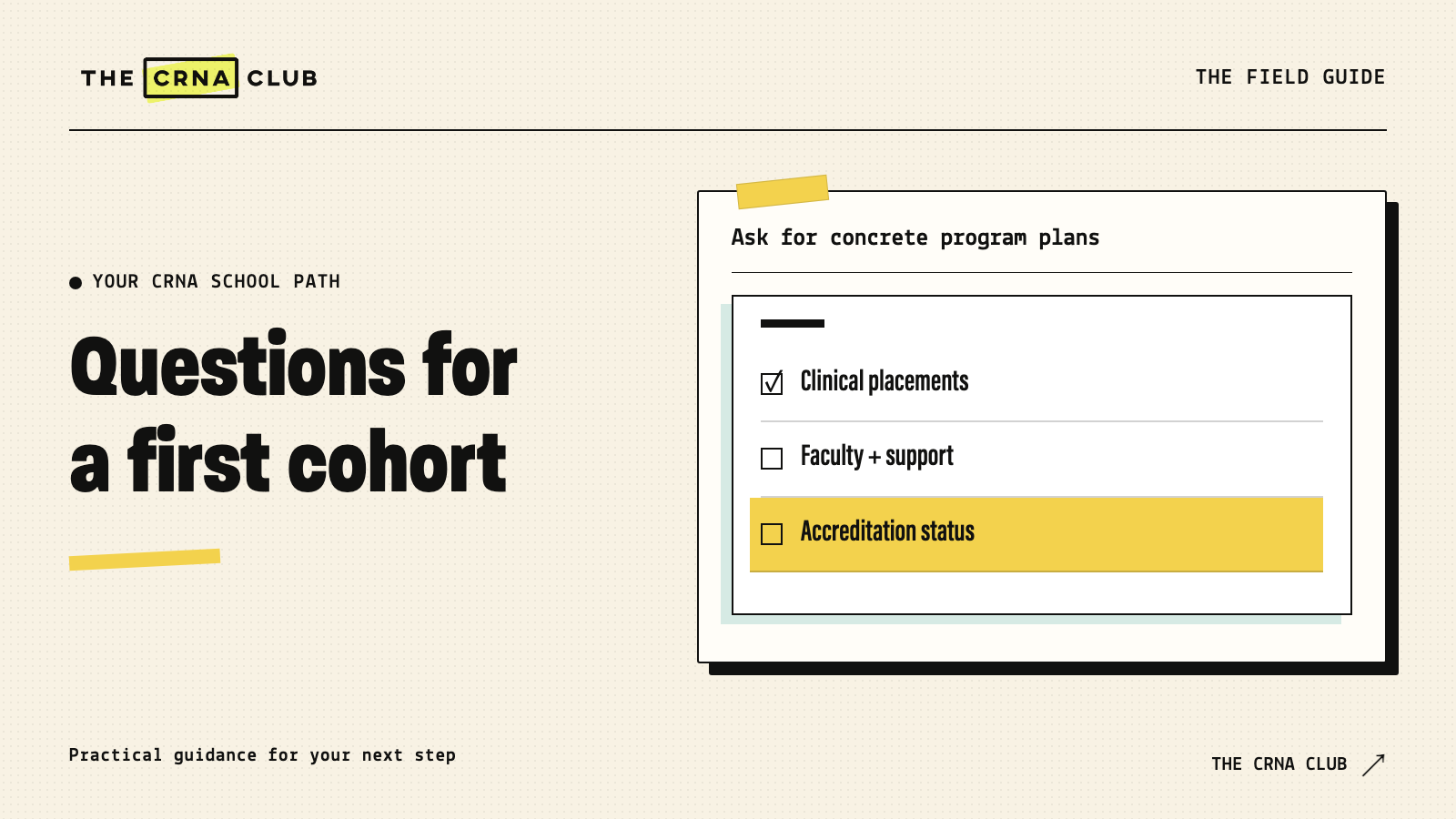
Confirm the exact program, degree, campus and current COA status using the accreditor’s official information. A university announcement about starting a program is different from an accreditation decision. If you have questions about what a status permits or when it became effective, clarify them before paying a deposit or making an employment decision.
The COA’s accreditation decisions page publishes official actions, including initial accreditation decisions. Use it to verify the program’s stated status rather than relying on an old news release or an applicant discussion.
Our new-program accreditation checklist walks through that verification. This article goes further into the practical questions after you’ve checked status.
Also separate admission from eventual certification. NBCRNA’s current NCE handbook describes individual eligibility, including successful completion of a COA-accredited program. An offer letter alone isn’t certification eligibility, and a program’s projected results aren’t completed graduate outcomes.
Which parts of the plan are already in place?
Ask faculty to distinguish confirmed resources from plans still being developed. A useful answer identifies who is responsible, what exists now, when the next step occurs and how students will be informed if the plan changes. You want to know what will be ready when you start.
For example, “We’ll have excellent clinical experiences” gives you a broad intention. Follow with a practical question: “Which types of placements are established for our cohort, when will assignments be made and how will you address a missing required experience?”
You don’t need access to confidential contracts to ask about the process. The program can explain how placements are secured, how student progress is monitored and who handles a gap.
Ask when promised documents will be available and whether you will receive them before a required deposit. That timing affects what you can know when you make the decision.
Record answers in separate confirmed and unresolved fields. If you put both into a single enthusiastic summary, you’ll lose track of the decisions that still depend on future information.
How will clinical placements work for the first cohort?
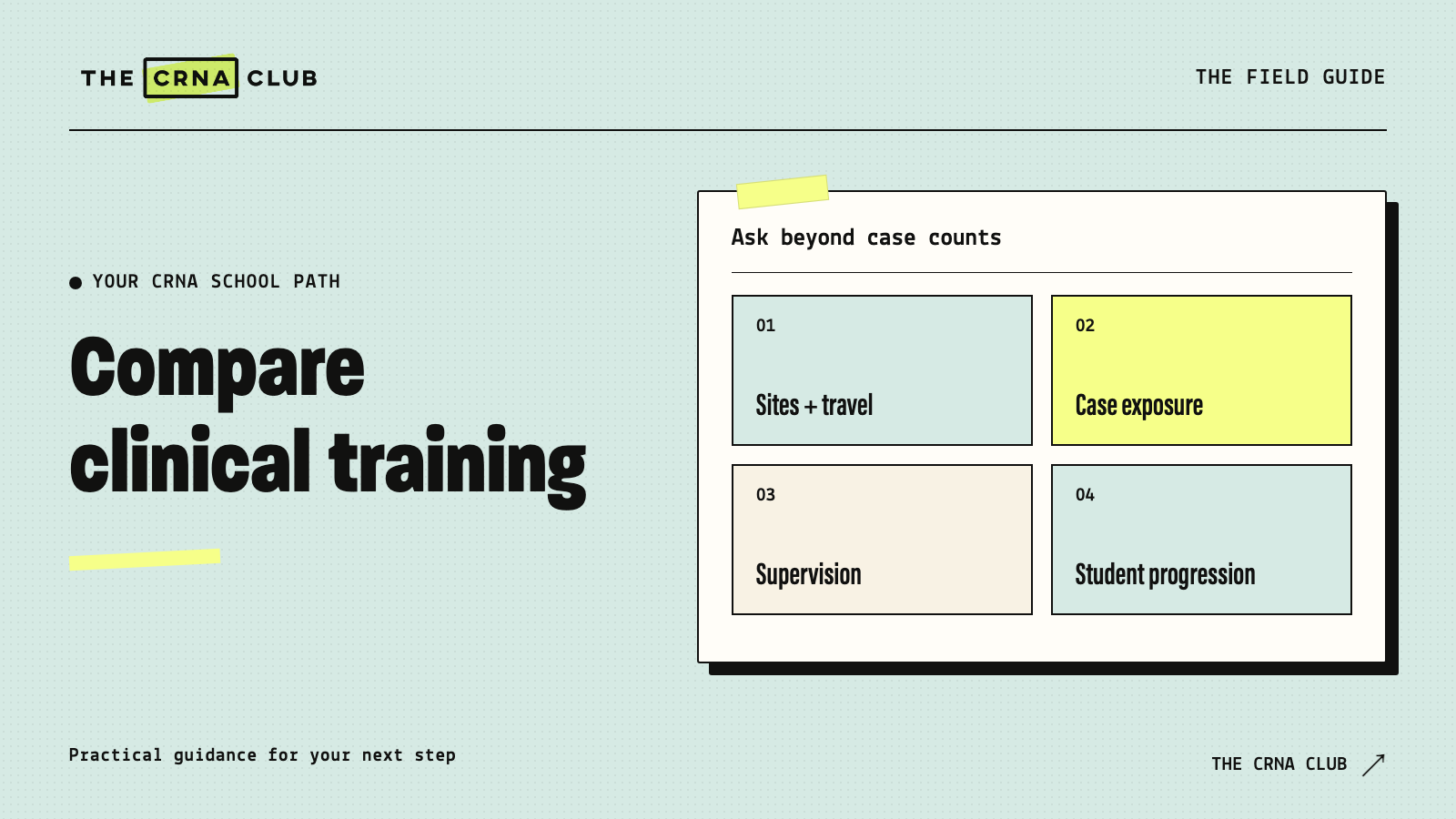
Ask where students will train, how assignments are made and how the program will make sure each student receives the required learning opportunities. Find out who monitors progress and what happens when a site, preceptor or case opportunity changes. A list of hospital names doesn’t explain those processes.
Useful questions include:
- Which sites are expected for our cohort, and which are required rather than optional?
- How far from campus are the placements? Ask about temporary housing and travel costs too.
- Who reviews each student’s clinical progress and case record?
- What happens if a student needs more experience in a particular area?
- How will the program handle an unexpected site change?
Avoid asking only whether the program has a famous hospital affiliation. You need to understand your role and the learning available there.
Our clinical-site research guide helps you organize these details. For a first cohort, add a question about which processes have already been tested and which will be used for the first time with your class.
Who will be available when you need teaching or help?
Ask which faculty are assigned to core courses, clinical oversight and advising, and how students reach them. Find out how coverage works when someone is unavailable. Experienced people can be a valuable part of a new program, but you still need to understand the roles, time and support they will provide to this cohort.
You can ask about the faculty’s prior teaching or program-development experience without assuming a previous institution’s outcomes belong to the new program.
For example, “Several faculty taught elsewhere” is relevant background. It doesn’t create a pass rate for a class that hasn’t graduated here.
A practical question is: “Who is my first contact for a clinical concern during a distant rotation, and what happens if that person is unavailable?” Another is: “How are advising meetings scheduled, and how will students receive academic feedback before a problem becomes urgent?”
Write down the named role, contact route and backup contact. If the answer is still being developed, ask when your cohort will receive the final process.
How will simulation prepare you for clinical progression?
Ask how simulation fits the curriculum, what students practice and how readiness is assessed before advancing. Equipment tours are useful, but ask what happens with the equipment during teaching. You want to understand the practice, feedback and reassessment a student receives, including what happens when a skill needs more work.
A room with impressive mannequins doesn’t tell you how often students use it or whether faculty connect the experience to clinical development.
Ask whether the simulation schedule is established for your cohort, how students prepare and how feedback is given afterward. If extra practice is available, find out how students access it and who teaches or evaluates that practice.
In the first cohort, also ask how the program will collect student feedback about the teaching sequence. A new course can need adjustment, and it’s reasonable to ask how faculty will identify and respond to that need.
What support and remediation policies should you read?
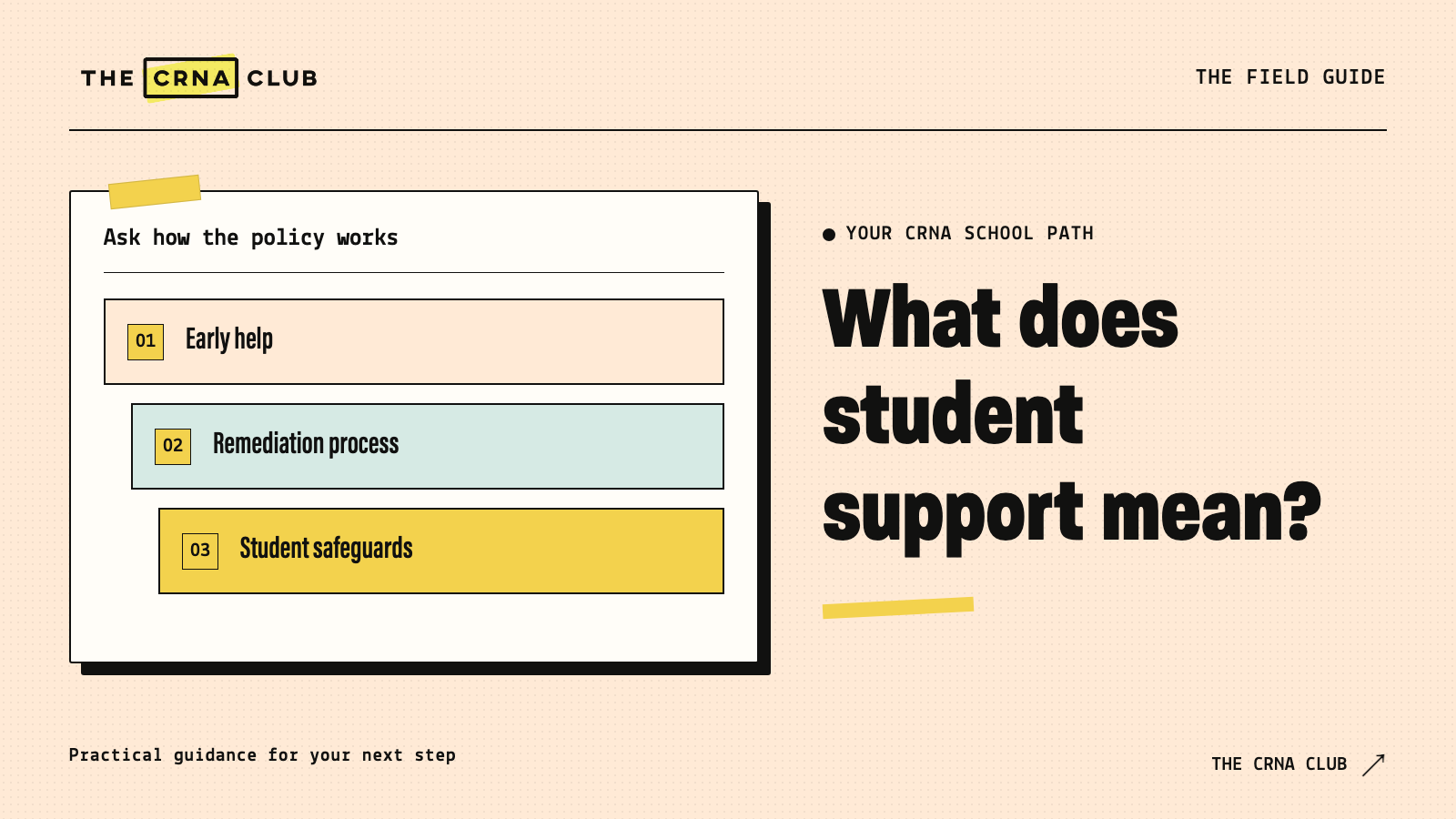
Request the current handbook and review progression, academic difficulty, clinical concerns, leaves and appeals. Ask how support begins and how success is assessed after a problem is identified. The process needs to be understandable before you need it, especially when there are no graduates who can describe how it worked for them.
Look beyond the passing grade alone. A course with one required score can have different reassessment or progression rules from a course with a similar number elsewhere.
Questions worth asking include, “How is a student notified about a concern?” and “Who develops the improvement plan?” Ask what happens if additional time is needed and whether that affects the cohort sequence, tuition or clinical progression.
Don’t infer that an absence of graduates means the program is unsupportive. It means you need the written policy and a clear explanation of the intended process.
How should you interpret missing outcomes?
A first cohort cannot provide a graduate pass rate or attrition history that has not happened yet. Treat those fields as unavailable, not zero and not a promised future success. Ask when the first outcomes will be reported and what current information the program uses to evaluate student learning and progress.
If faculty discuss a previous program, keep that information attributed to the previous setting. It can describe their experience, but it doesn’t become the new program’s track record.
For established schools on your list, read outcomes carefully too. The NCE outcomes guide explains why cohort size, the year and first-time versus eventual passing matter. Comparing an unavailable result with a published result requires acknowledging the missing information rather than filling it with an estimate.
How do you compare the new program with an established option?
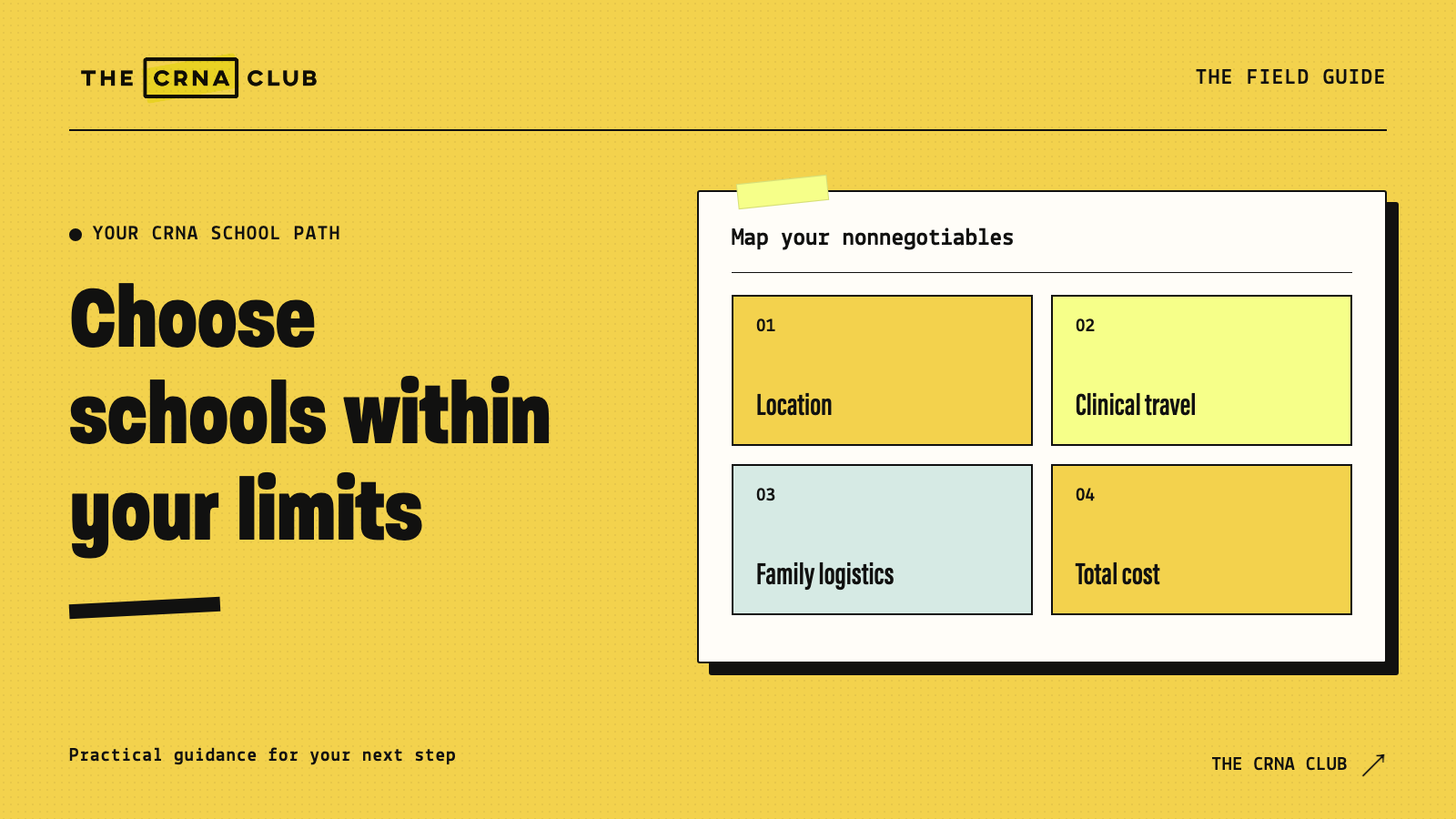
Use the same practical questions for both, then add a separate line for uncertainty. An established school has a track record, but you still need current details about placements, support and costs. A new school might fit your circumstances well, while leaving more questions about how its plan will operate.
Consider hypothetical applicant Nora. Program A has graduates, is far from home and requires several distant rotations. Program B is new and nearby, but its first-cohort clinical assignment schedule won’t be finalized until later.
Nora keeps the confirmed costs and open questions in her saved-program notes. That’s how we suggest using My Programs here: put the question beside the school, along with who answered and when. She asks Program B when assignment details will be available and whether that occurs before her deposit deadline. If the answer remains uncertain, she decides whether she can tolerate that uncertainty given her caregiving responsibilities.
She doesn’t need to declare every new program good or bad. She needs a decision she can explain from her own constraints and the information available.
Our Final Thoughts
A first cohort leaves some questions you cannot answer from graduate experience. Ask which resources are ready now, when the remaining details will be settled and whether you’ll know enough before your deposit is due.
Take the Next Step
Save the new program and one established option in our School Database preview. Bring the unanswered questions above to each school. For the full planning tools and lessons while you compare, try the seven-day trial.